



Water Activities in Koh Phangan Worth Trying Besides the Full Moon Party
Most people arrive on Koh Phangan with the party already circled on their calendar. Some of them leave without having put their feet in the ocean at all, which is a specific kind of waste given what the island’s coastline actually offers. The Gulf of Thailand side of Phangan sits in protected water for most of the year, the kind that stays calm and clear even when the rest of the region is dealing with weather. That geography is what makes the island’s water sports scene function differently from Phuket or Samui.
What’s grown up around that calm water in recent years goes well beyond the snorkelling tours and kayak rentals that show up on every hotel activities board. There are now options on Koh Phangan for people who want something with a higher skill ceiling — activities where the outcome depends on what you do, not just where the boat takes you.
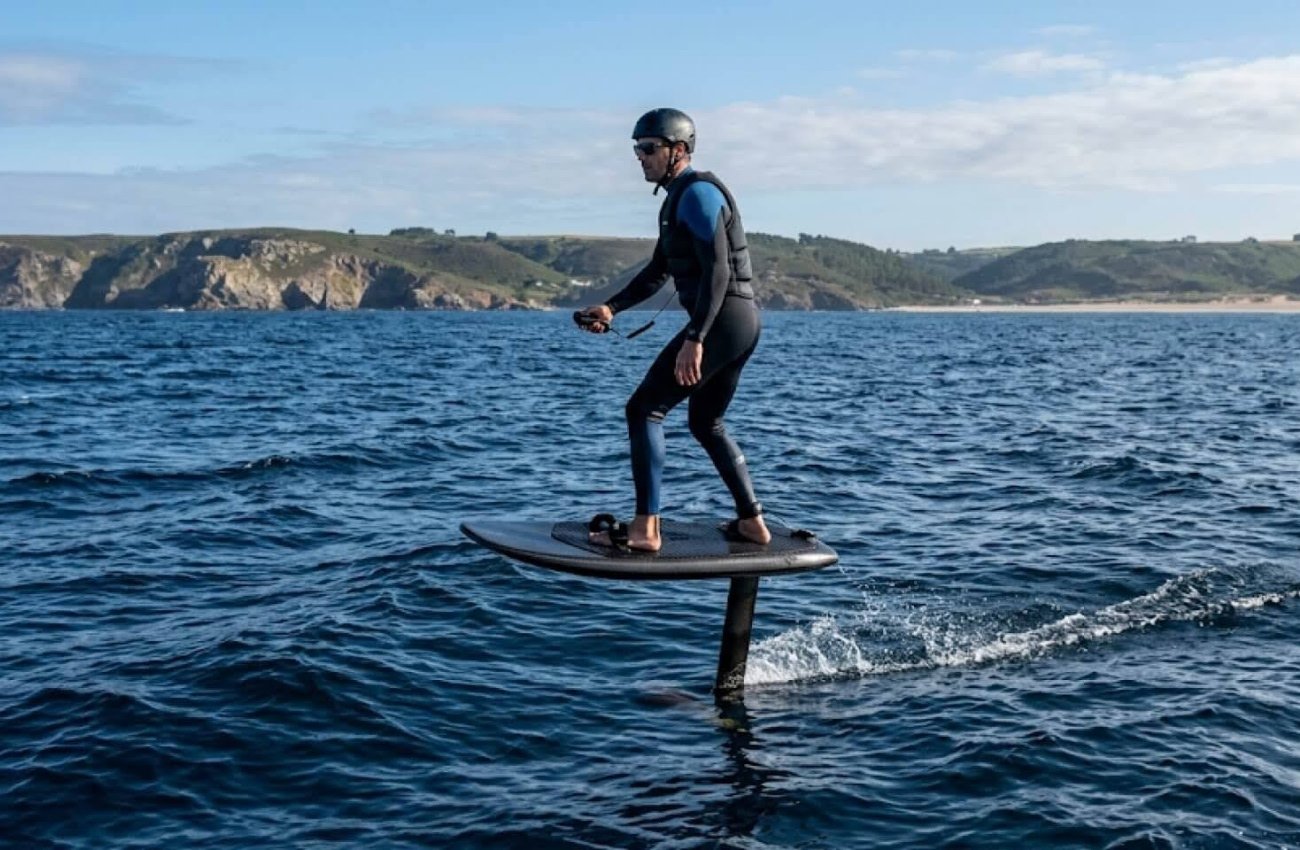
Efoiling: the activity that doesn’t need wind or waves
The northern bay at Chaloklum has the right conditions for electric foil surfing almost year-round. The bay faces north, sits inside a natural shelter, and maintains the 1 to 1.5 metres of water depth the foil mast needs to operate without touching bottom. There’s no reef directly in the session area, and the surface stays flat enough on most days to give a first-timer a clean run at learning the basics.
What makes efoil surf on Koh Phangan through Chaloklum particularly practical is that it isn’t weather-dependent the way kitesurfing or windsurfing is. The electric motor provides its own propulsion, so flat-wind days that ground other activities don’t affect a session here. That independence from conditions is one reason the bay works as a year-round spot rather than a seasonal one, with November through March being the peak period simply because more visitors are on the island then.
EasyFlyFoil runs sessions out of Chaloklum using foil boards with a 50 km/h ceiling, though instruction stays well below that speed range. The first lesson is 60 minutes and costs 3,500 THB. It opens with ten to fifteen minutes of theory on land covering throttle control, weight distribution, and fall technique, then moves into the water with full safety gear: helmet, buoyancy vest, lycra, and a radio unit that keeps the rider in direct contact with the instructor throughout. More than 80% of students achieve lift during that first session, which is a useful benchmark when deciding whether to book one session or plan for two.
Kitesurfing: the longer investment that pays off on Koh Phangan
The east coast around Ban Tai and the stretch near Haad Rin receives consistent wind between November and March, which makes it one of the more reliable kitesurfing windows in the Gulf of Thailand. The water is shallow enough for learners to stand in during early body-drag stages, and the fetch is long enough to give intermediate riders room to work with.
Kitesurfing has a steeper learning curve than efoiling. The IKO certification path typically takes three to four days of instruction before a student can ride independently, and that’s with daily sessions. For travelers on a tight schedule it’s worth factoring in realistically. The payoff for those who complete the initial training is a skill that transfers across locations globally, including the Andaman side. Anyone who has done efoil surfing in Phuket before arriving on Phangan will notice that the board balance skills carry over partially to kitesurfing, particularly in the way you read the board’s response underfoot.
The two sports occupy different parts of a trip logistically. Efoiling works in a single afternoon and delivers a result most people can feel within the first hour. Kitesurfing asks for a week, ideally, and rewards the commitment with a more transferable skillset. Neither replaces the other.
Snorkelling and freediving around the marine park islands
About 45 minutes by longtail from Koh Phangan’s east or south coast, the Ang Thong Marine Park archipelago includes more than forty islands with visibility that regularly exceeds 15 metres in dry season conditions. The park is a day-trip destination rather than a stay, and most operators depart from Thong Sala pier.
Freediving instruction has become more available on Phangan over the past few years, with several schools offering entry-level courses using the marine park as the practical component. The first certification level typically takes two days and gives students enough technique to reach 10 to 20 metres on a single breath. For anyone who’s already comfortable in open water, it’s a natural next step from snorkelling.
Paddleboarding: the slow option with a surprisingly high ceiling
Stand-up paddleboarding on Phangan works best at the island’s more sheltered northern and western bays early in the morning, before any wind builds. The learning threshold is low enough that most people are upright within fifteen to twenty minutes of their first rental, which makes it a practical option for days when you want to be on the water without committing to a full lesson.
The activity doesn’t scale the same way efoiling or kitesurfing does, but it rewards those who take it further. Longer crossings between bays, downwind runs along the coast in the afternoon, and flat-water yoga sessions on the board all exist on Phangan and fill a specific gap in the island’s activity menu: something quiet, unhurried, and genuinely connected to the water around you.
Koh Phangan’s identity beyond the party has been building for years. The water side of it is now substantial enough that it justifies arriving a week before the event rather than the night before.

E-foil surfing instructor
Hello, fellow sailors! My name is Anton and I am your guide in the world of surfing. Let’s dive into the waves together!